Melbourne ,Australia
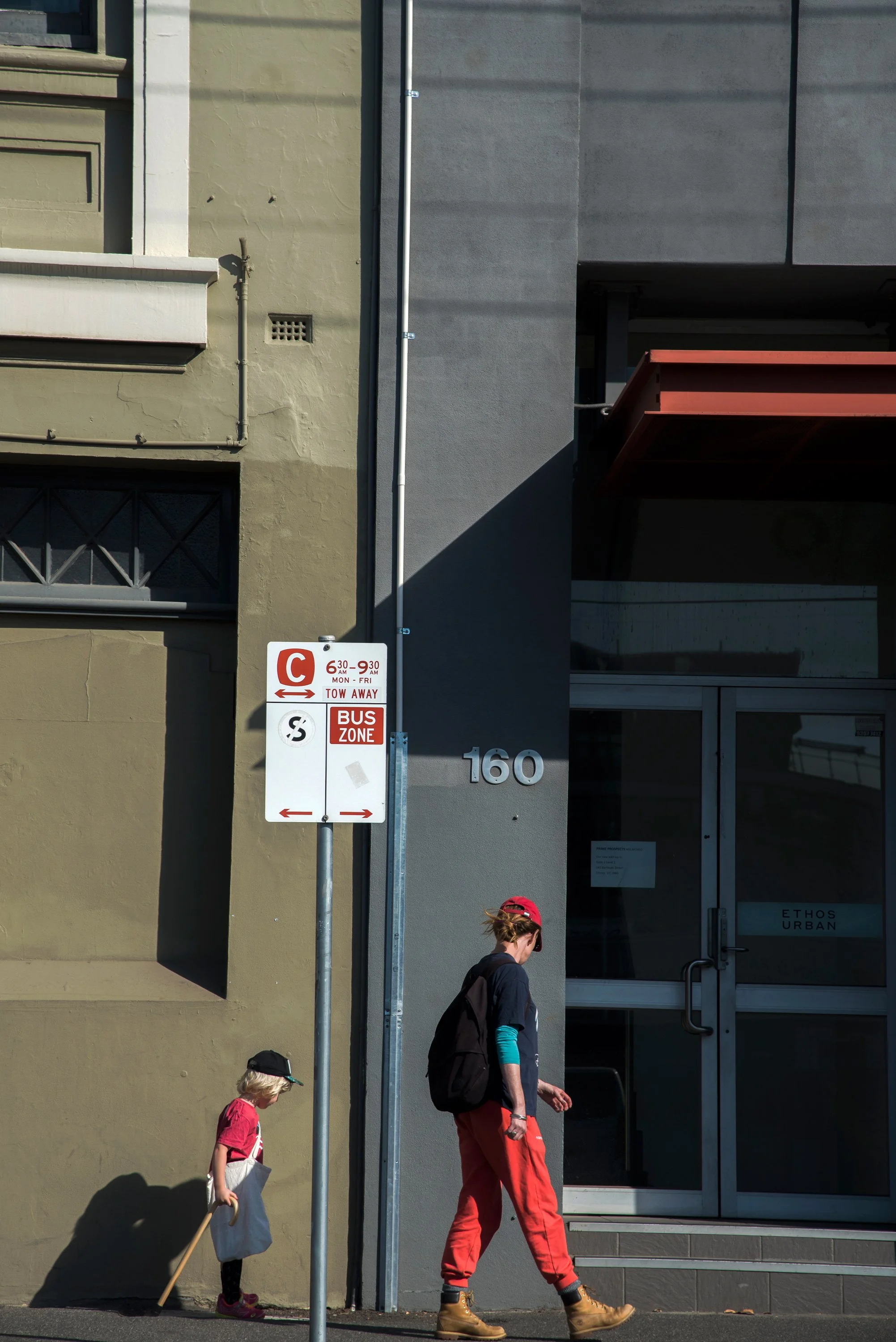
Melbourne is a city I have moved through in fragments, across streets, laneways, and shifting weather. Many of these photographs were made in and around it, often while walking alone or moving between exhibitions, conversations, and quiet intervals of observation.
-
![]()
Layers of Time
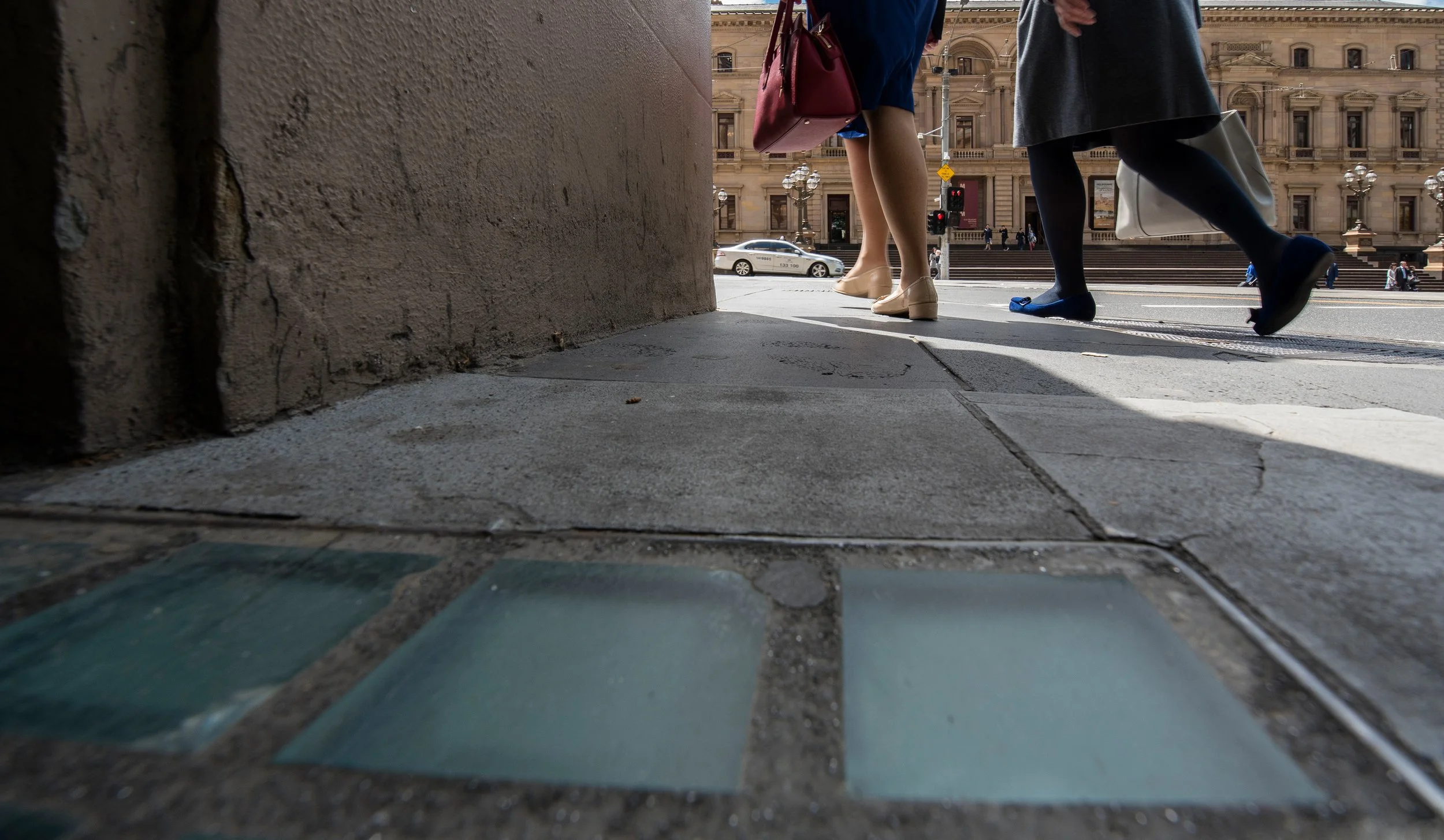
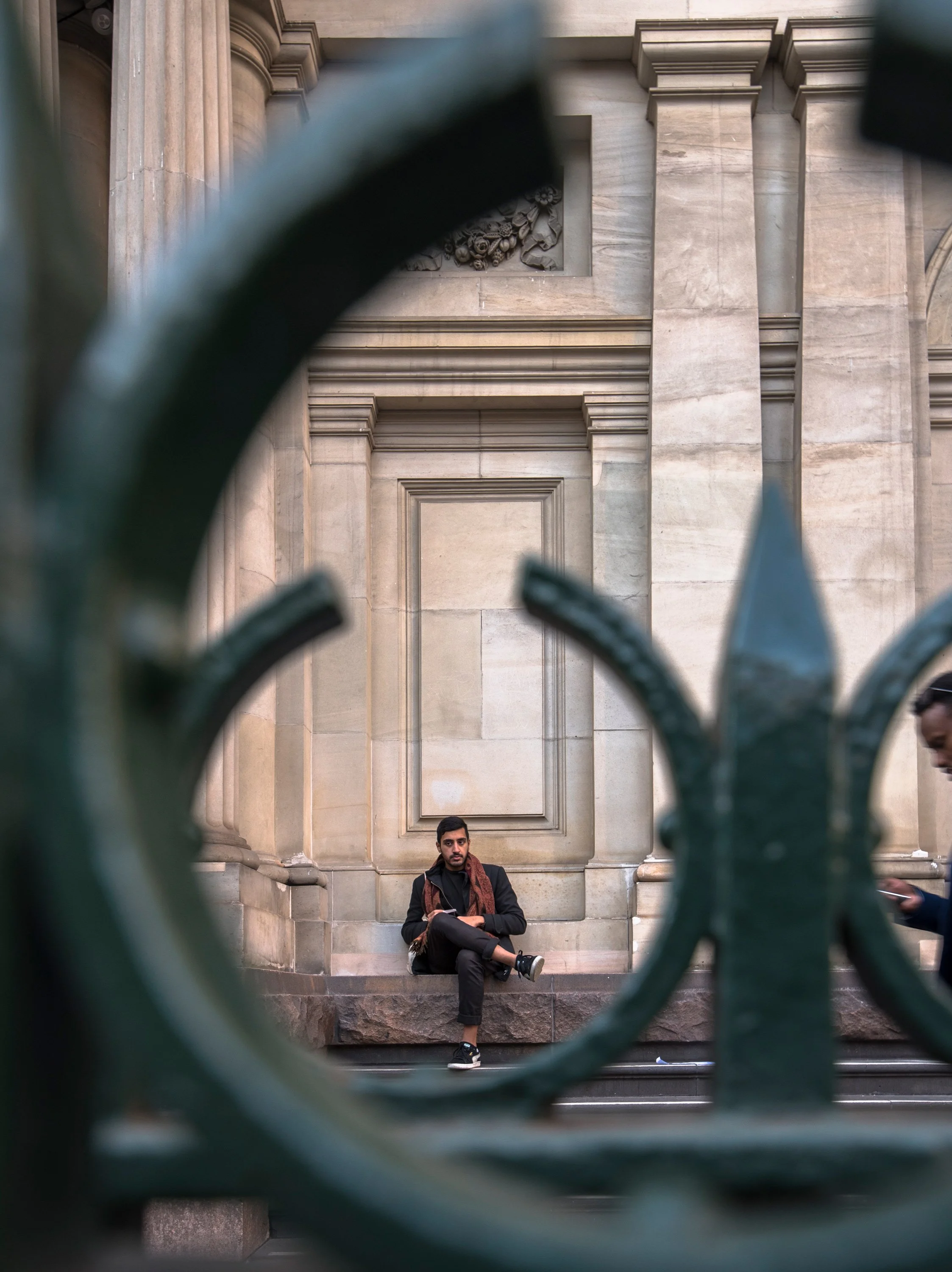
The Old Treasury Building
Spring Street, Melbourne, AustraliaBuilt between 1858 and 1862 and designed by the young architect J. J. Clark at just nineteen years of age, the Old Treasury Building is regarded as one of Australia’s finest examples of Renaissance Revival architecture. Its sandstone presence reflects the confidence and ambition of Melbourne’s gold-rush era.
Now home to the Old Treasury Building Museum and government offices, the building continues to evolve over time. The interplay of historic forms and later interventions creates a dialogue between past and present, while its carefully composed façade, rich in detail and materiality, remains a significant landmark within Melbourne’s architectural landscape.
-
![]()
Pool Parade
Fitzroy Pool
Alexandra Parade, Fitzroy, Melbourne, AustraliaStretching across the façade of Fitzroy Pool, Pool Parade by Melbourne artist Stephen Baker brings colour, movement and a playful sense of place to the streetscape. Inspired by sustainable transport and referencing the iconic Aqua Profonda sign within the pool, the mural connects everyday urban life with the site's aquatic history.
Encountered while wandering through Fitzroy, the work reflects Baker's distinctive visual language and contribution to Melbourne's street art culture. Together with an earlier aquatic-themed mural by French artists Blo and Jaws, it adds another layer to Fitzroy's rich creative landscape, where public art forms an integral part of the neighbourhood's identity.
-
![]()
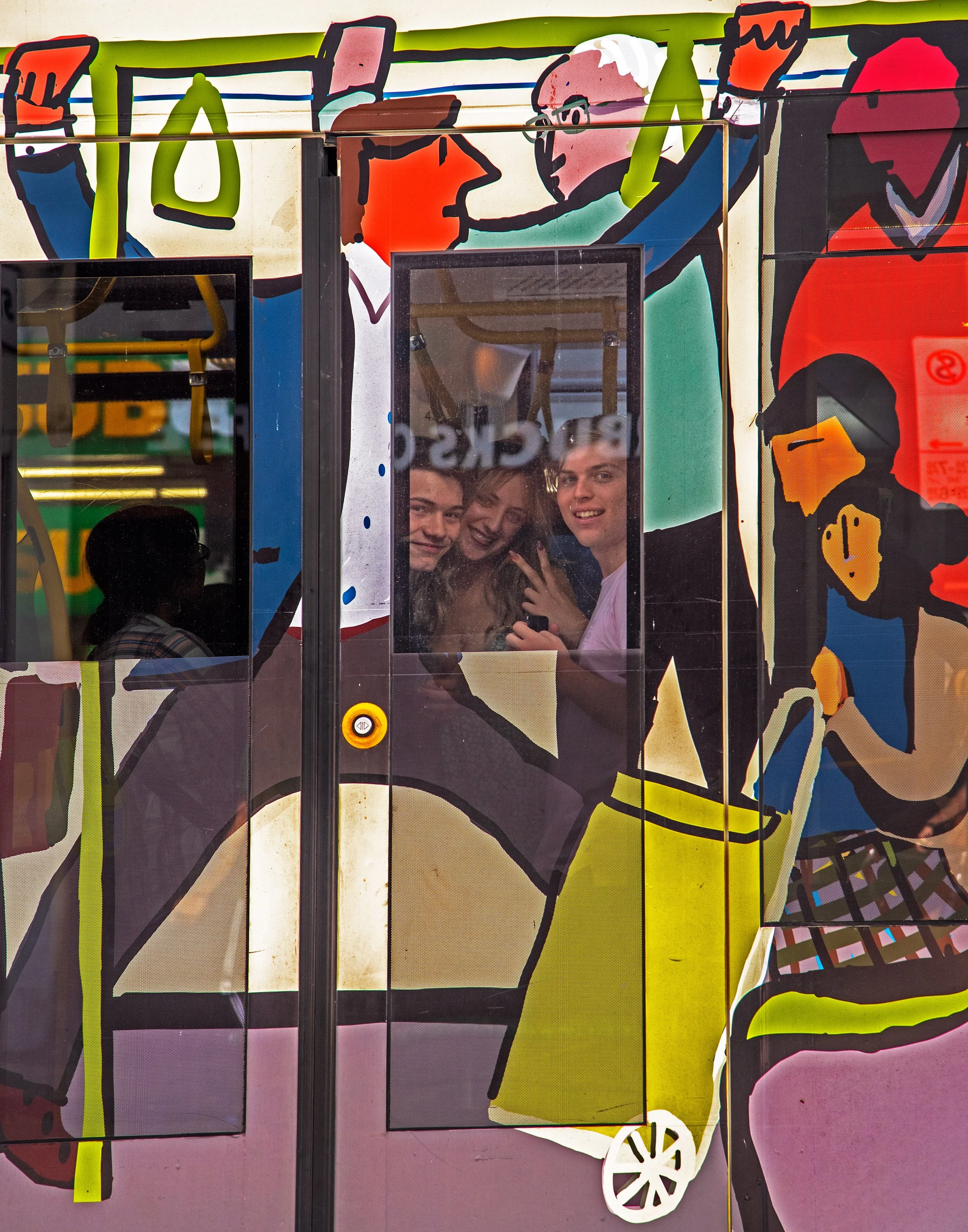
Passengers in transit on a Melbourne tram, moving through the urban grid
Description goes here -
![]()
Melbourne Art Tram
Designed by Nick Howson as part of the 2018 Melbourne Art Trams project, this moving artwork brings bold colour, rhythm and abstract form into the everyday flow of the city. Its playful composition captures a sense of movement and urban energy as it travels through Melbourne’s streetscape.
-
![]()
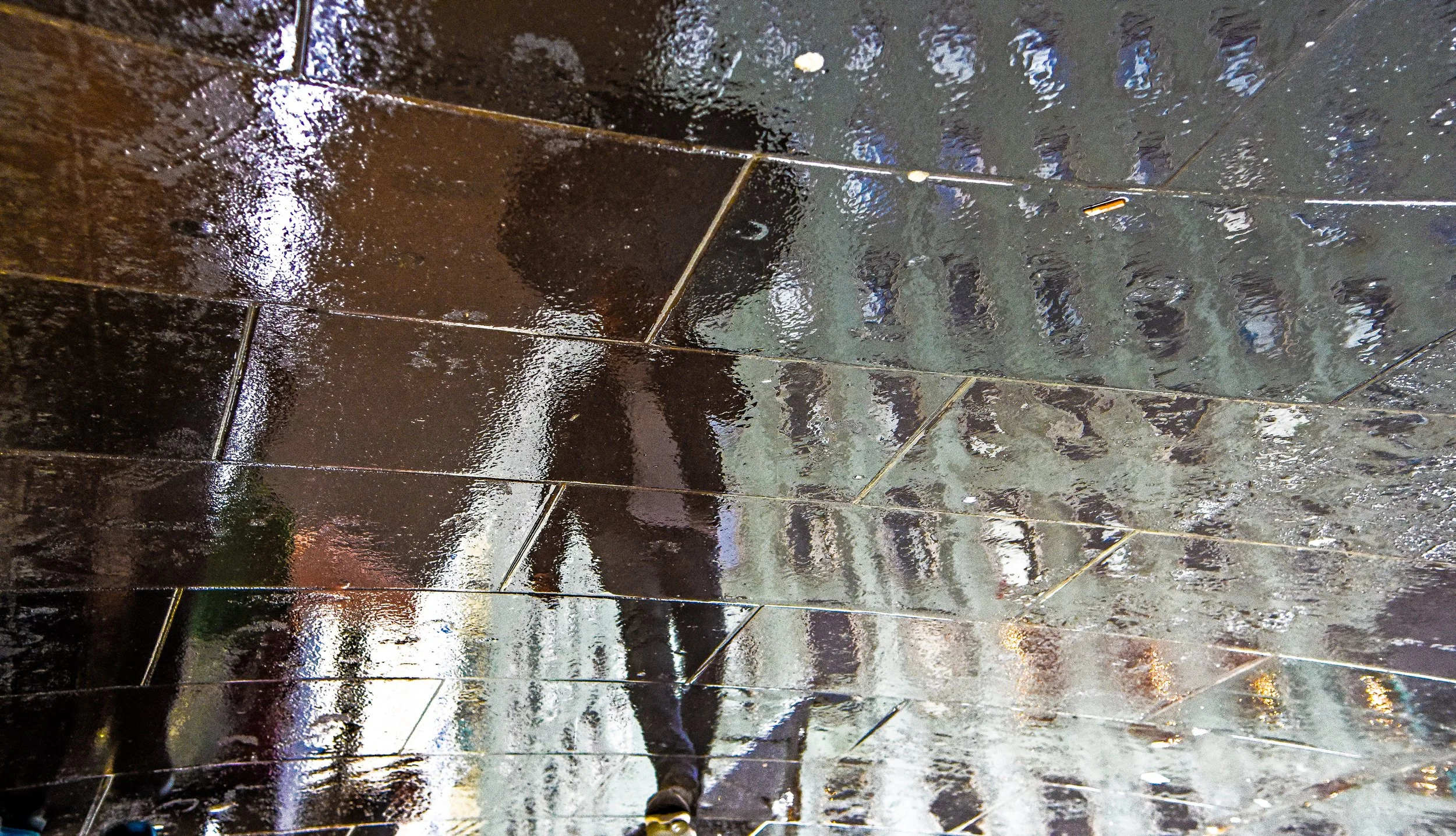
Rain, Reflections, and Melbourne’s Artful Streets
Description goes here -
![]()
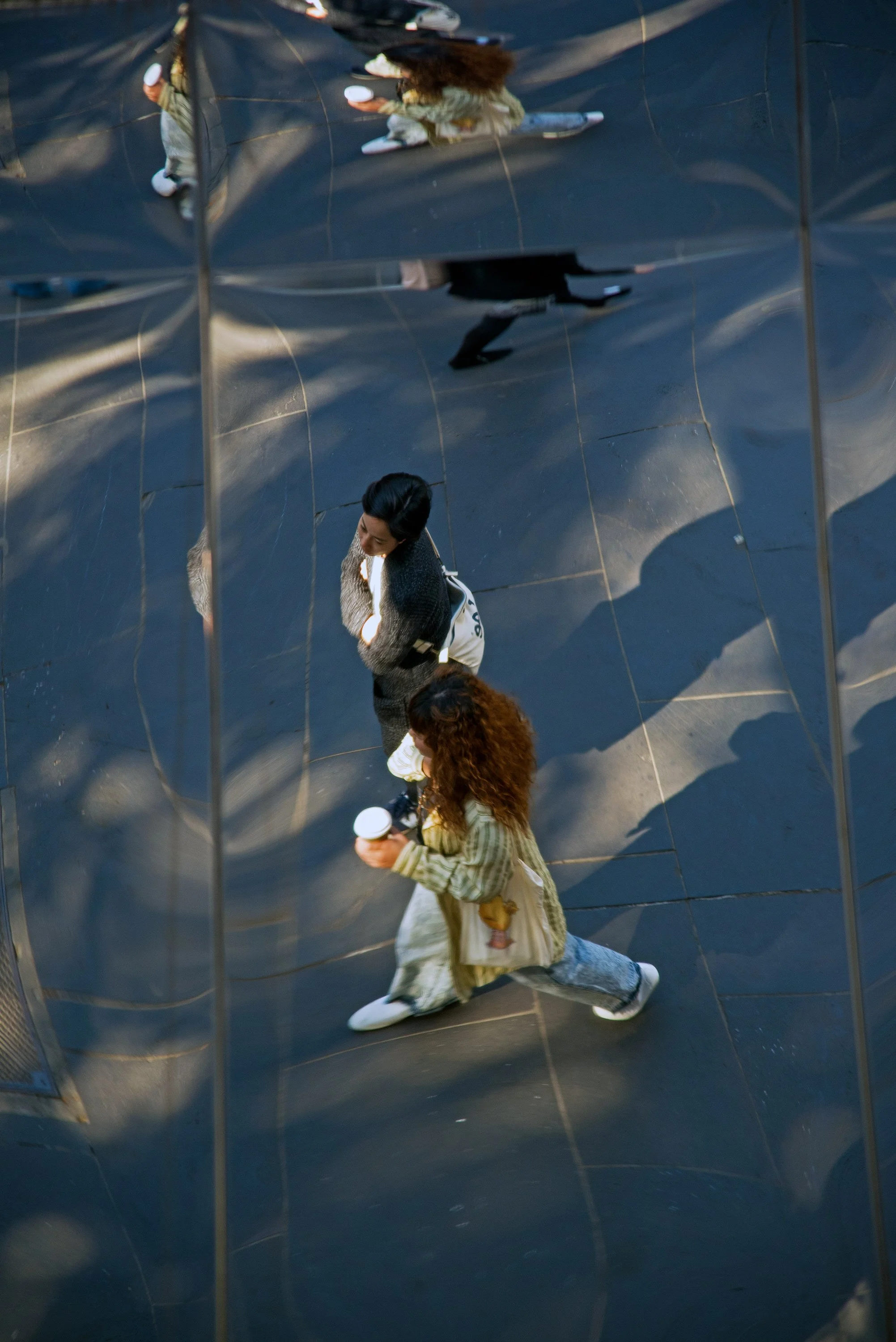
Melbourne Street Walk
A walk through Melbourne’s streets reveals a layered city of laneways, heritage façades, trams, cafés, and shifting urban rhythms. Each corner carries traces of everyday life, where architecture, movement, and diverse cultures intersect in constant flow.
-
![]()
The Block Arcade
Melbourne, Australia
The Block Arcade is one of Melbourne’s most elegant Victorian-era shopping arcades, completed in 1892. Designed in the Italian Renaissance style, it is known for its ornate mosaic floors, carved stone detailing, and glass-roofed ceiling that fills the interior with soft natural light.
Connecting Collins Street and Elizabeth Street, the arcade reflects Melbourne’s late 19th-century prosperity and its tradition of covered pedestrian passages. Today, it remains a refined urban space where heritage architecture, boutique retail, and café culture coexist within a carefully preserved historic setting.
-
![]()
Union Lane
Union Lane, Melbourne, Australia
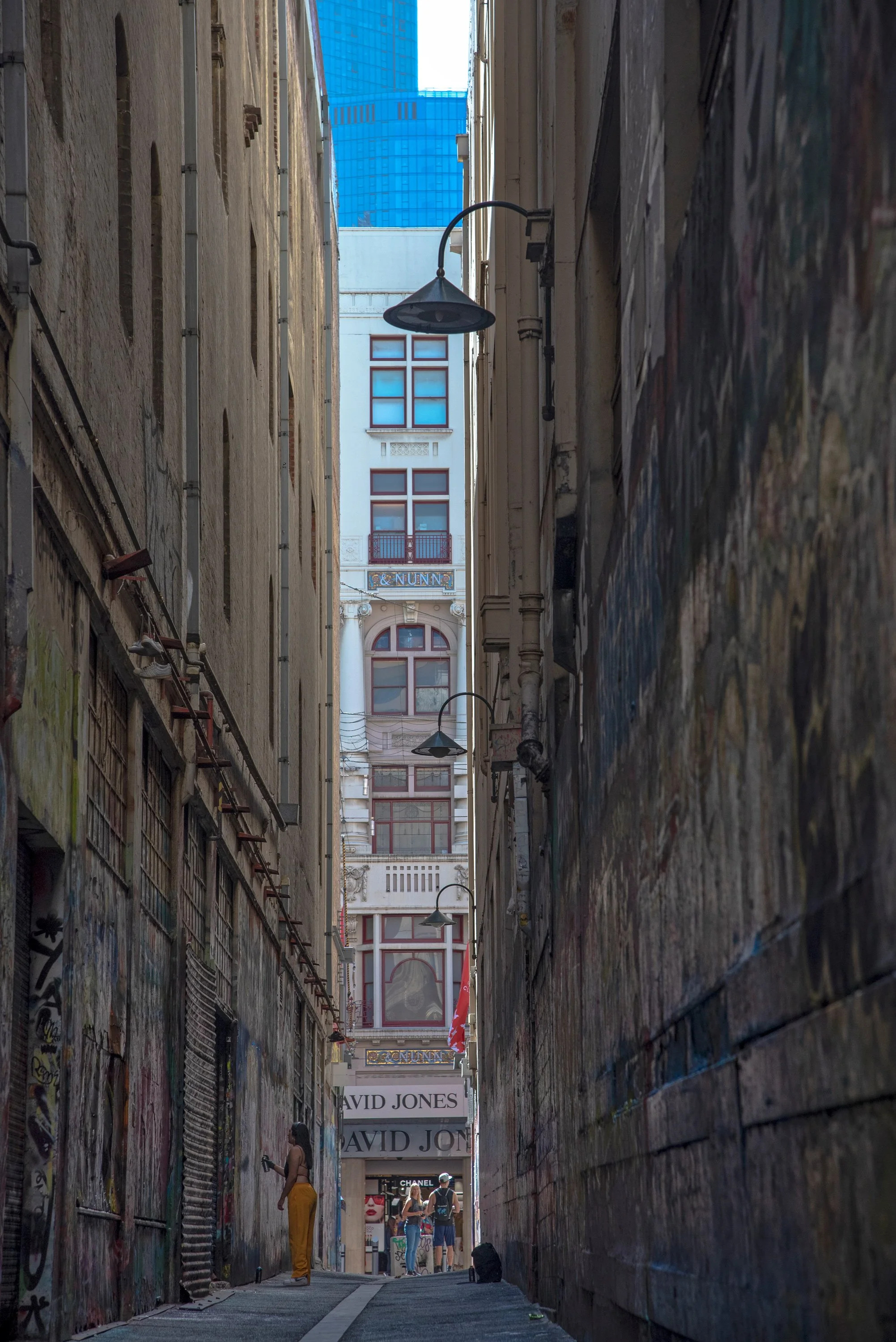
Union Lane is a vibrant slice of Melbourne’s street art culture, tucked away in the heart of the city.
Since the early 2000s, the laneway has served as a canvas for both local and international artists, becoming a recognised hotspot for street art. The works range from intricate murals to bold graffiti, often spontaneous and experimental in nature, reflecting Melbourne’s diverse cultural influences, political commentary, and the ever-changing rhythms of the city.
What makes Union Lane especially distinctive is the opportunity to witness art in progress, with layers of new work continually reshaping its evolving visual landscape.
-
![]()
Rhythms of Movement
Aya Kitaoji
Met at Buddha’s Festival, Federation Square, Melbourne, Australia
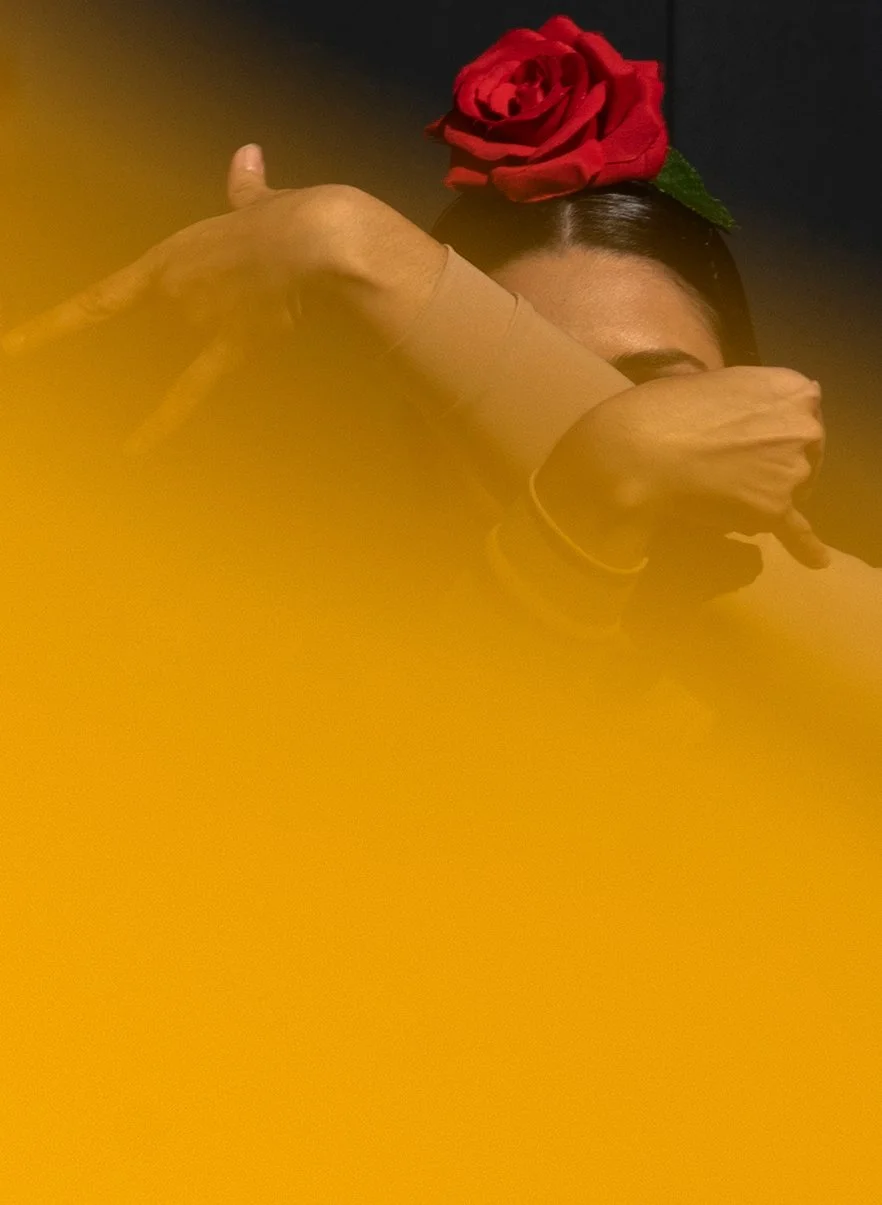
A dancer, percussionist, singer and instructor whose practice moves between flamenco, classical ballet, folkloric and contemporary forms. Her presence carries a quiet intensity, shaped by training in Spain and a lifelong dialogue with rhythm and movement.
-
![]()
Between Rhythm and Stillness
Aya Kitaoji
Met at Buddha’s Festival, Federation Square, Melbourne, Australia
A dancer, percussionist, singer and instructor whose practice moves between flamenco, classical ballet, folkloric and contemporary forms. Her presence carries a quiet intensity, shaped by training in Spain and a lifelong dialogue with rhythm and movement.
-
![]()
New List Item
Description goes here -
![]()
New List Item
Description goes here -
![]()
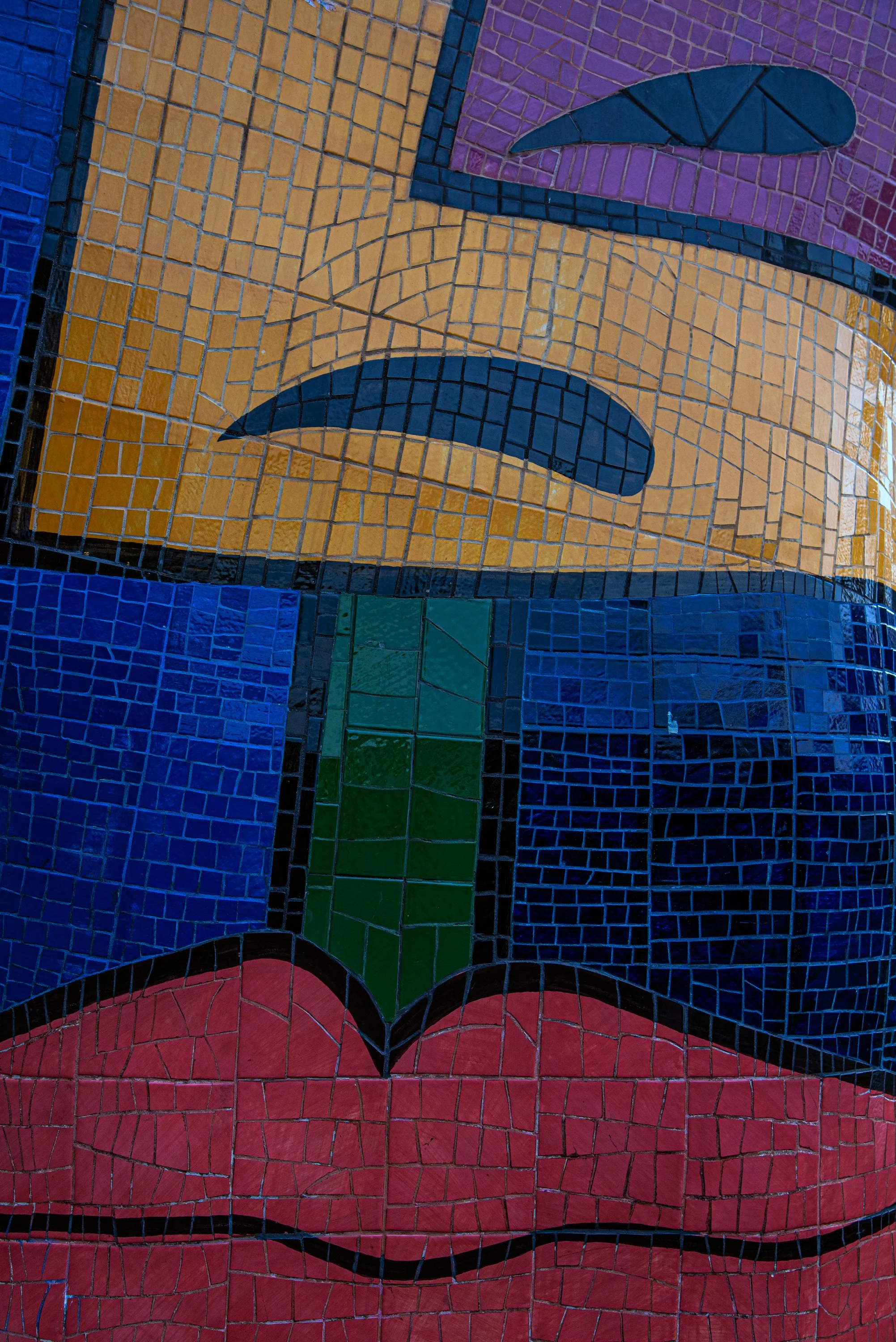
Deborah Halpern
Australian sculptor known for her vibrant mosaic sculptures, inspired by the work of Pablo Picasso and Niki de Saint Phalle. Blending elements of surrealism and fantasy, her work is distinguished by bold colours, intricate patterns, and imaginative forms.
Born in 1957, Deborah Halpern has become one of Australia's most recognisable public artists, creating large-scale sculptures that transform urban spaces through their playful energy and rich visual language.
-
![]()
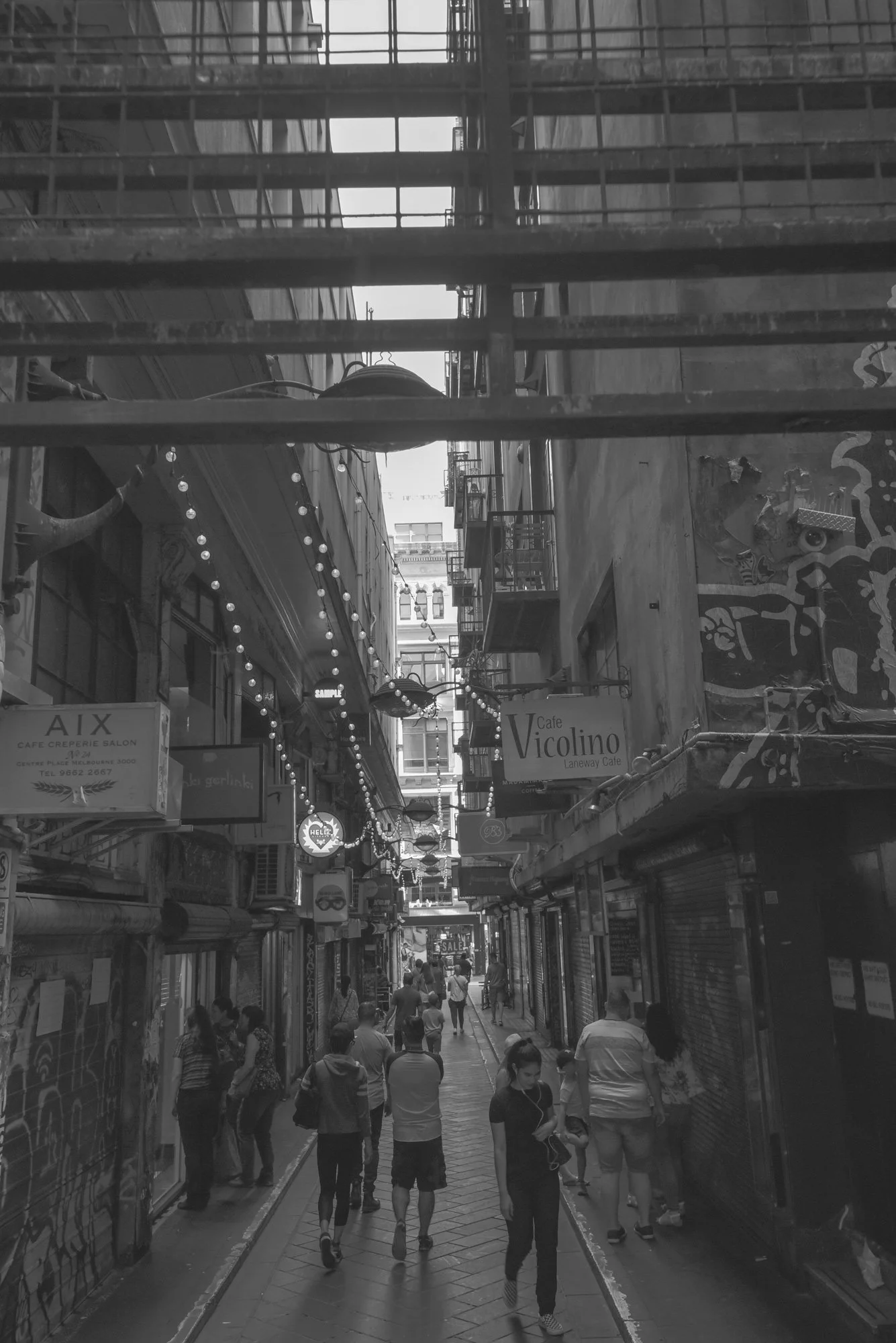
Centre Place Laneway
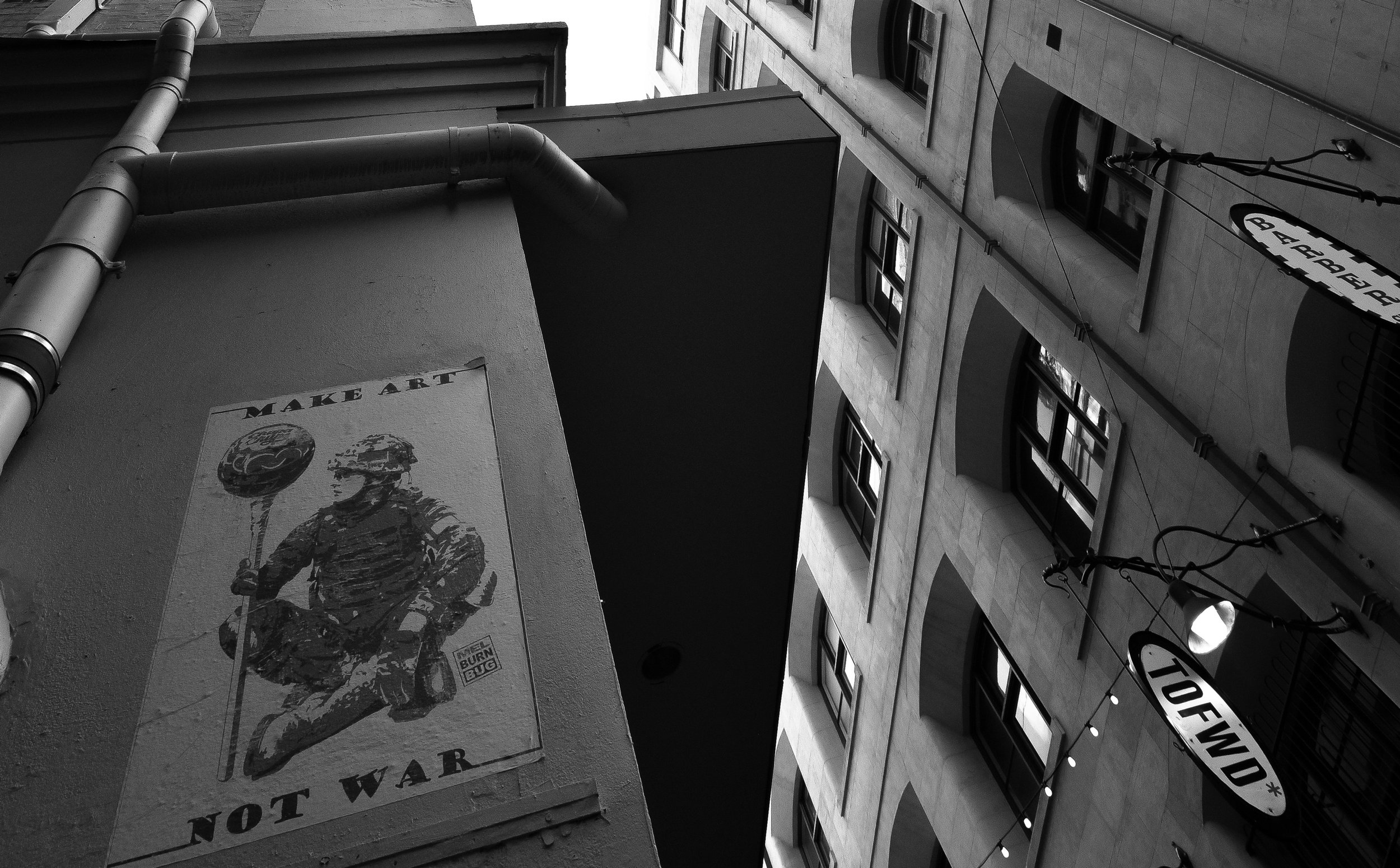
Known for its narrow scale, vibrant street art, and eclectic mix of cafés and small businesses, Centre Place is one of Melbourne’s most iconic laneways. The layered façades and intimate urban character reflect the city's distinctive relationship between architecture, public space, and everyday life.
-
![]()
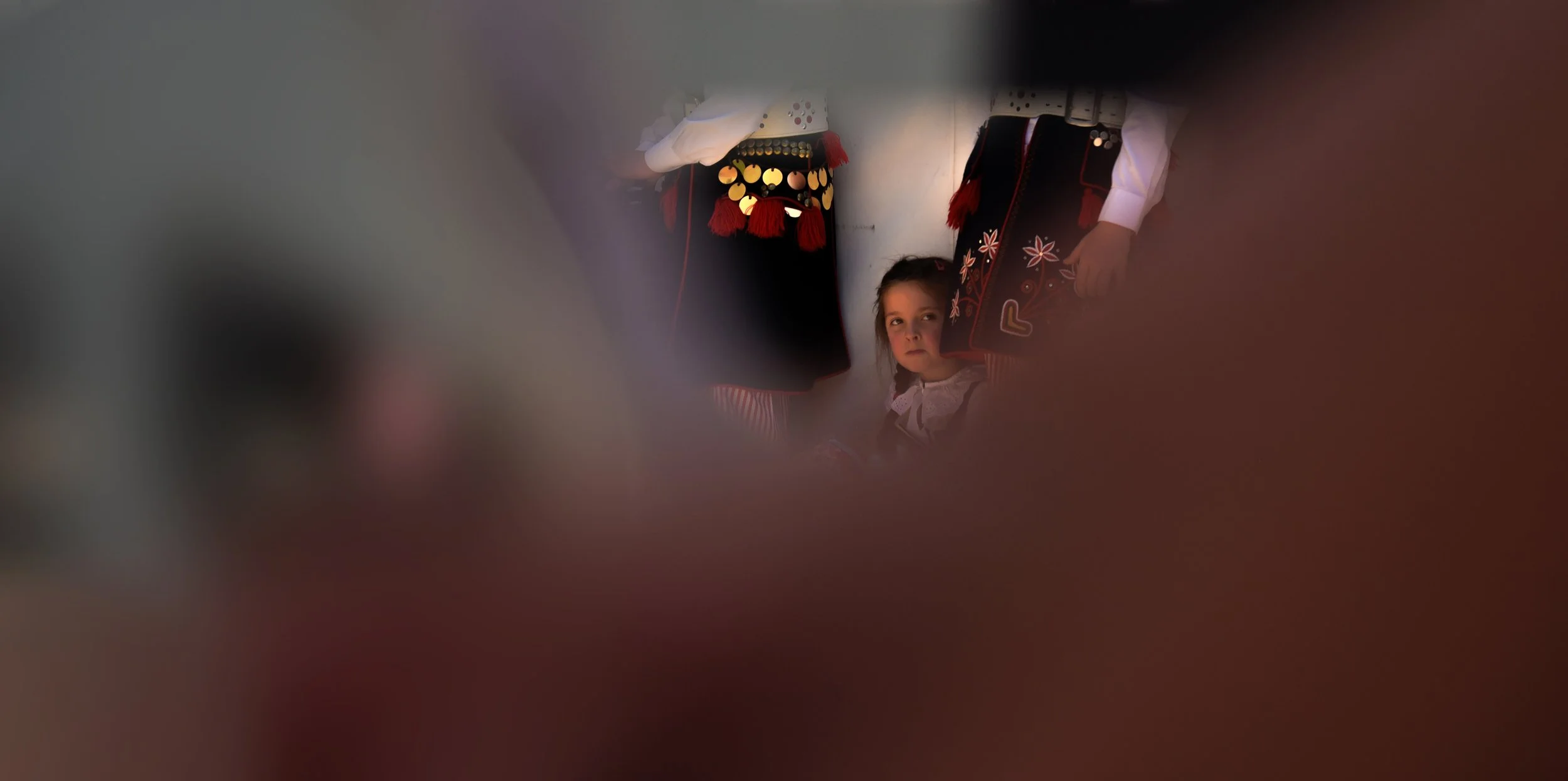
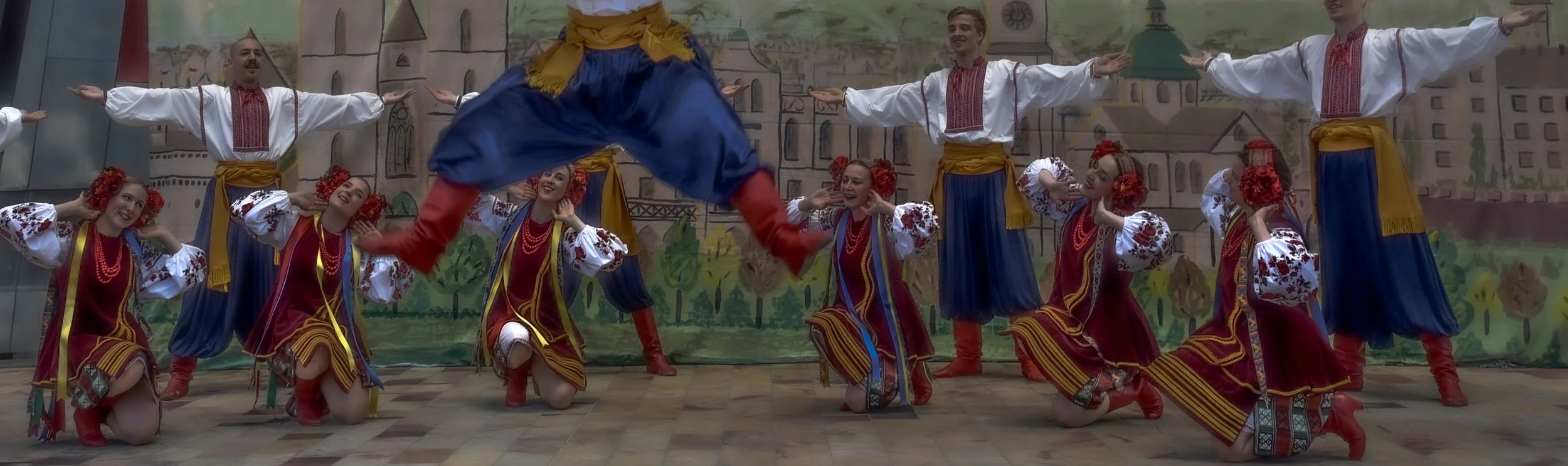
Polish Festival at Federation Square
Bringing the vibrant spirit of Poland to Federation Square, the Polish Festival celebrated Polish culture through live performances, traditional dance, music, food, and folk art. Dance styles including the Mazurka, Oberek, Polonaise, and Krakowiak highlighted the richness of Poland’s cultural heritage, while contemporary performances reflected its evolving traditions.
The festival transformed the square into a lively gathering place, offering visitors a glimpse into the colours, sounds, and community spirit of Polish culture in the heart of Melbourne.
-
![]()
New List Item
Description goes here -
![]()
New List Item
Description goes here -
![]()
Polish Festival at Federation Square
Traditional Polish dance performances at the festival highlight some of Poland’s most iconic folk styles, including the Polonaise, Mazurka, Oberek, and Krakowiak. Each dance carries its own rhythm and character: the Polonaise is elegant and processional, often performed in formal formations, while the Mazurka is more lyrical with subtle accents and flowing movement.
The Oberek is fast-paced and energetic, marked by spinning couples and dynamic footwork, whereas the Krakowiak features lively syncopation and spirited gestures. Together, these dance forms reflect regional traditions, communal celebration, and the expressive storytelling embedded in Polish folk culture.
-
![]()
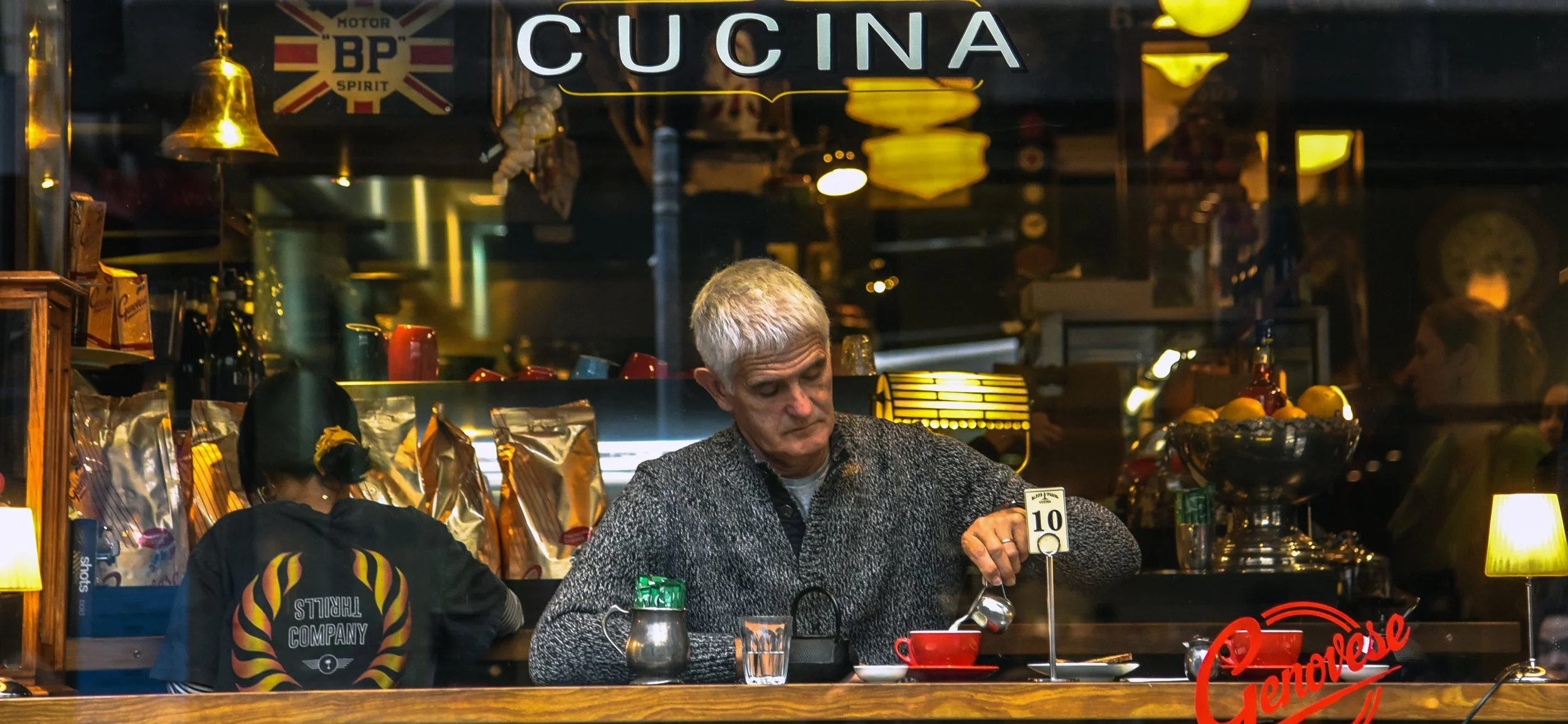
Melbourne Cafés
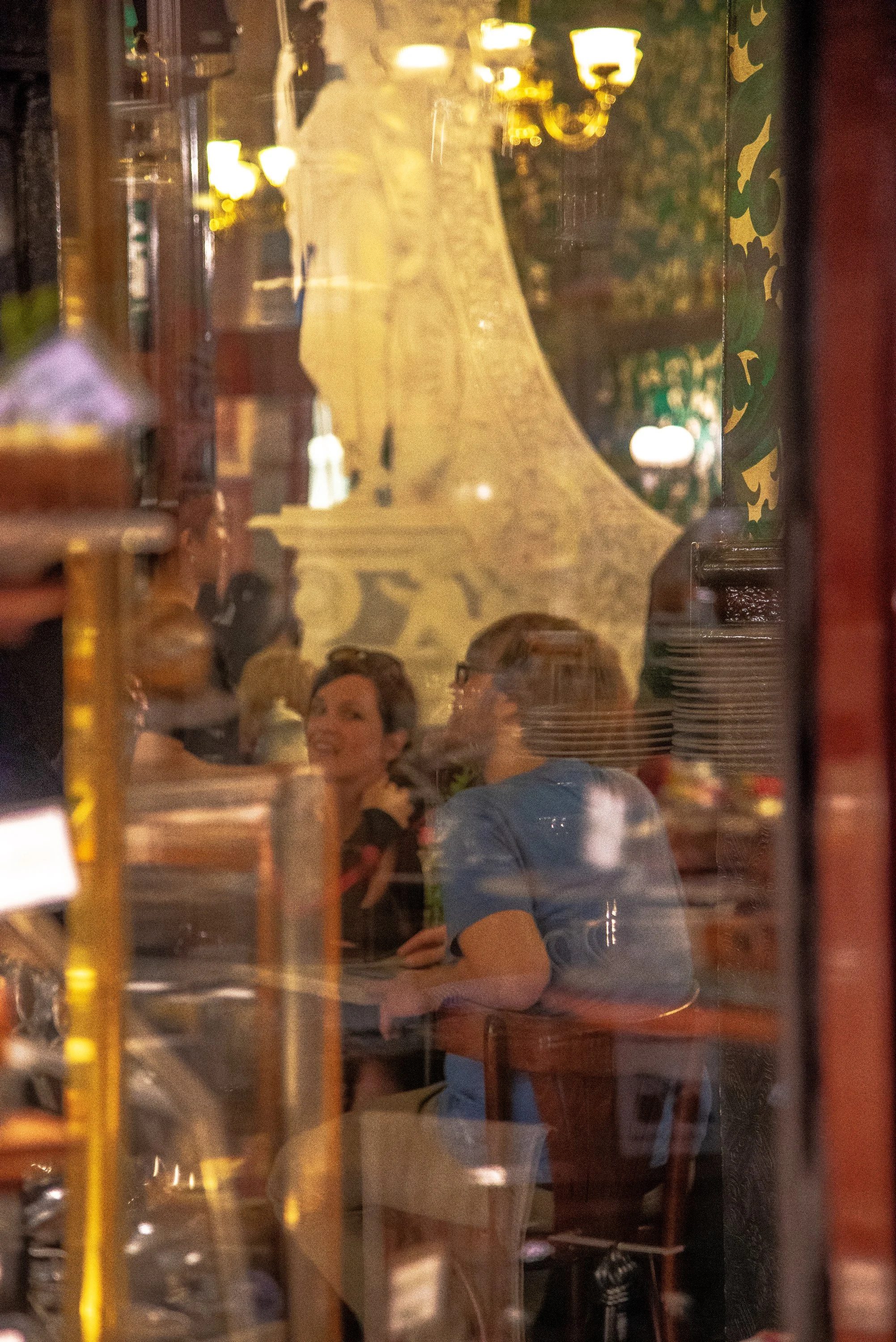
Melbourne’s café culture is deeply connected to its urban architecture, especially within laneways, arcades, and adapted heritage buildings. Cafés often occupy compact, repurposed spaces where historic façades and contemporary interiors exist side by side.
These environments are shaped by the city’s dense grid, creating intimate interiors with exposed brick, steel structures, and restored Victorian or Edwardian elements. Many cafés extend into laneways, blurring the boundary between interior and street life.
Alongside this, Melbourne’s multicultural food culture plays a key role in shaping these spaces. Italian espresso bars, Asian eateries, Middle Eastern bakeries, and South Asian cafés coexist within the same urban fabric, each bringing distinct flavours and spatial identities.
Together, food and architecture form a layered city experience sensory, diverse, and continuously evolving within Melbourne’s everyday urban landscape.
-
![]()
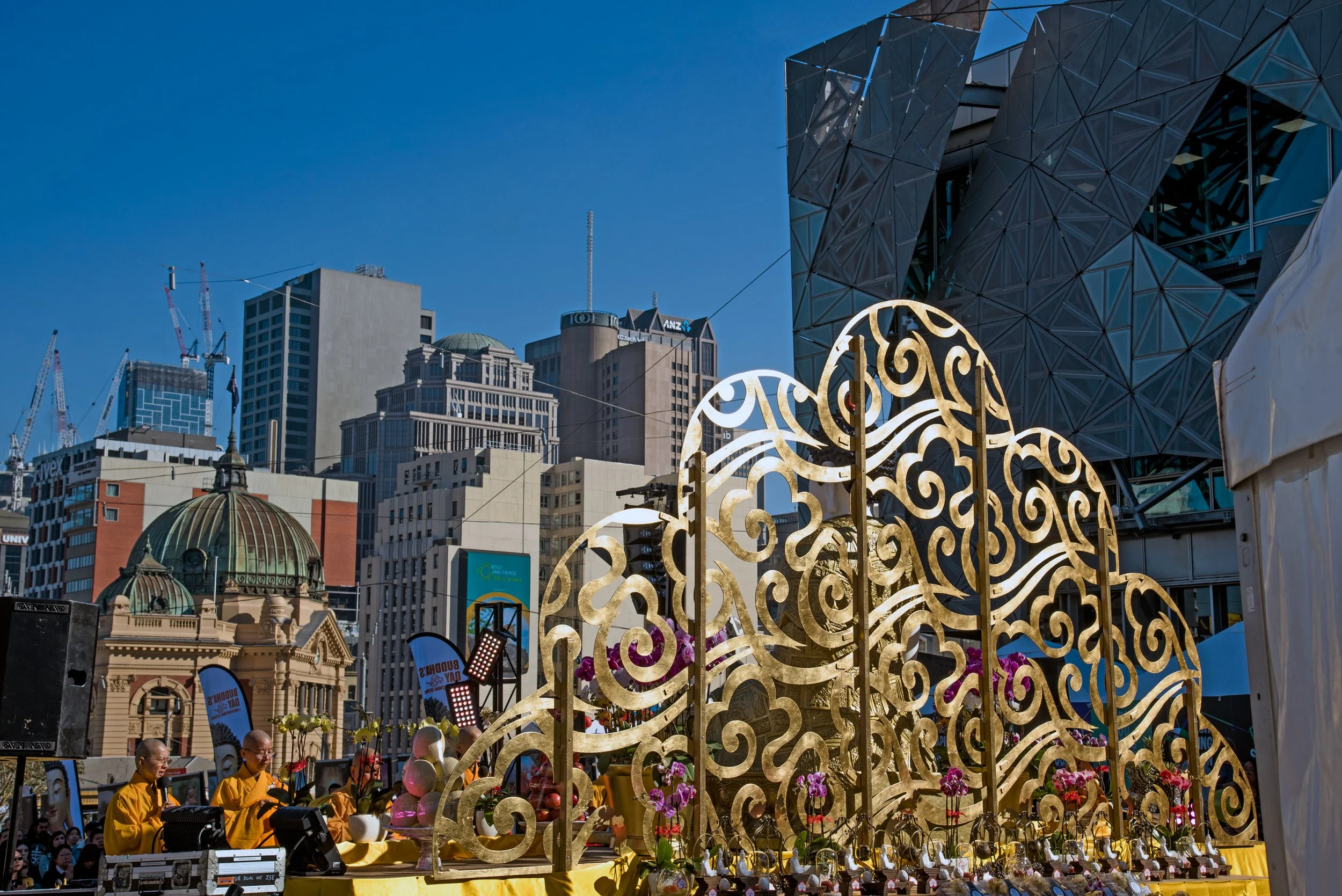
Buddha’s Day & Multicultural Festival
Held at Federation Square, the Buddha’s Day & Multicultural Festival is one of Melbourne’s major cultural gatherings, celebrating the city’s wider multicultural identity. The event brings together ritual practices, performances, food, and community activities in a shared public space.
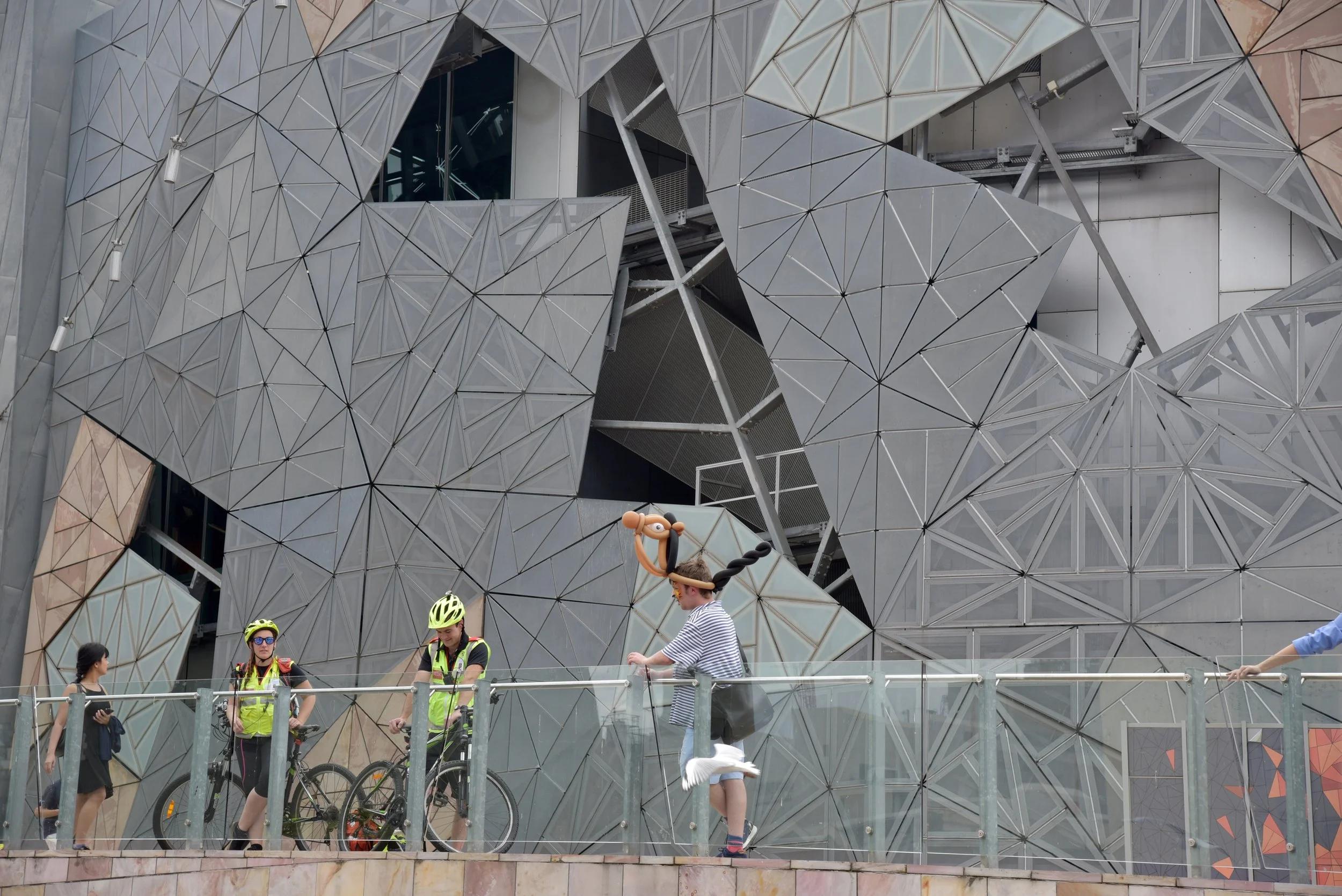
Architecturally, Federation Square forms the main backdrop with its angular deconstructivist design, patterned stone surfaces, and open civic layout. Beyond the square, the surrounding cityscape becomes part of the visual frame most notably the historic façades of Flinders Street Station with its iconic dome and clock tower, along with the elevated rail lines and bridges that define the edge of the Yarra River precinct.
This layering of settings heritage railway architecture, contemporary civic design, and the movement of the city creates a dynamic urban environment. Traditional cultural expressions unfold against a backdrop where Melbourne’s historic and modern architectural identities continuously intersect.
-
![]()
MCG Sporting Statues, Larger Than Life
Melbourne Cricket Ground (MCG), Melbourne, Australia
Located along the walkways of the MCG and surrounding Yarra Park, the “Larger Than Life” sporting statues celebrate Australia’s most iconic athletes and their achievements at this historic venue.
Cast primarily in bronze, the sculptures capture movement and athletic intensity in frozen moments of action—bowling, batting, and dynamic sporting poses. Developed over time by multiple contemporary sculptors through public art commissions, the collection has been installed gradually from the 1990s through the 2000s and 2010s.
Together, the works create a sculptural corridor where sport, memory, and public space converge.
-
![]()
The General Post Office
Bourke Street Mall, Melbourne, Australia
Completed in 1867, the General Post Office (GPO) is one of Melbourne’s most significant civic landmarks. Designed in the Renaissance Revival style, its grand sandstone façade reflects the prosperity and ambition of the gold-rush era.
Originally serving as the centre of Melbourne’s postal network, the building has since been adapted for new uses while remaining a prominent feature of the city’s architectural landscape.
-
![]()
New List Item
Description goes here